My Dry Eyes
Meibomian Gland Probing
My Dry Eyes
Meibomian Gland Probing
Meibomian Gland Dysfunction
For individuals suffering from dry eye syndrome, one common underlying cause is meibomian gland dysfunction (MGD). The meibomian glands, located along the edges of the eyelids, are responsible for producing the oil (lipid) layer of the tear film that prevents tears from evaporating too quickly. When these glands become blocked or obstructed, the tear film becomes unstable, leading to dry, irritated eyes.
Meibomian gland probing is a specialised treatment that can help to unblock these glands, restoring proper tear film function and providing relief from chronic dry eye symptoms.
Why Choose Us?
Prescribing Optometrists
We are able to prescribe ANY prescription eye drop that is most suitable for your dry eye. This includes Ikervis (cyclosporin drops), short courses of steroid drops, antibiotic drops and oral antibiotics to help control your dry eyes.
An Independent Approach
We provide a dedicated bespoke service based on quality eye care. Being Independent allows us to offer impartial advice on all your eye care needs,
Precision From Diagnosis to Relief
We have invested in state of the art equipment to help not only diagnose, but also invested in treatments to provide long-term relief for dry eye sufferers. The treatment plan we recommend is tailored to you.
What is Meibomian Gland Probing?
Meibomian gland probing is a minimally invasive procedure aimed at opening blocked or dysfunctional meibomian glands. The procedure involves the use of a thin, sterile probe that is gently inserted into the tiny openings of the meibomian glands along the inner edges of the eyelids. This probing helps to clear obstructions, allowing the natural flow of oil to be restored, which in turn improves the quality of the tear film and reduces dry eye symptoms.
This technique was developed to target the mechanical blockages that can occur within the meibomian glands, which other treatments like warm compresses, lid scrubs, or medications might not fully address. Meibomian gland probing can provide significant relief, especially for patients who suffer from chronic MGD and have not responded to conventional therapies.
Meibomian gland probing is a method of clearing internally blocked meibomian glands which are causing dry eye. Clearing the blockage allows them to return to secreting oils. A very fine wire, called a probe, is inserted into the glands to manually unblock them.
Benefits of Meibomian Gland Probing?
For individuals with meibomian gland dysfunction, meibomian gland probing offers several important benefits. By physically clearing the blocked glands, probing helps to restore the normal secretion of oil into the tear film, improving its stability and reducing evaporation. Many patients experience immediate and long-term relief from symptoms like dryness, burning, itching, and a gritty sensation in the eyes after the procedure.
The procedure is quick, usually taking less than 30 minutes, and is performed in an ophthalmologist’s office with minimal discomfort. In many cases, the relief from dry eye symptoms can last for several months, and some patients may require only occasional repeat treatments.
FAQ's
A separate appointment will be required in which you will attend a full dry eye assessment for full diagnostics, this will help to determine the exact status of the glands in terms of blockage and atrophy.
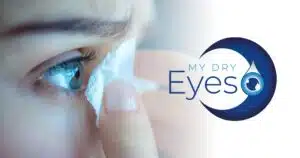
On the day a special contact lens is placed in the eye over the cornea and a local anaesthetic is applied to the conjunctival sac and lower lid margin. The patient then closes their eyes for 10-15 minutes, after which they open their eyes, and another drop of anaesthetic solution is applied to the conjunctival sac. There is some mild burning when the anaesthetic is first applied, but it wears off within 30 seconds.
A 2mm or 4mm probe (depending on the length of the gland) is inserted into the gland. The probe is gently pushed through the gland, clearing any obstruction. Probing relieves fixed obstructions such as scar tissue or fibrosis. Resistance to the probe usually indicates fibrotic tissue blocking the gland and requires slightly more force to be used. Successful release of these fibroses causes a popping sound and the probe then passes freely through the gland.
Once the glands have been cleared, the eye is cleaned thoroughly with saline to remove any leftover anaesthetic. For the next few hours, you may need eye drops to help wash away any debris that comes out of the newly opened glands.

People who have symptomatic meibomian gland disease which does not respond to other treatments. MGP can partially restore gland patency and allow the gland to continue to secrete oil.
Anyone can have meibomian gland probing. Those who benefit most are those who have internal blockages. In addition to clearing gland blockages, the procedure also aids diagnoses, in that it can exclude the presence of blockages
Many patients only need one session while others may need repeat probing, either for glands which couldn’t be unblocked the first time, or if glands become re-obstructed. With successful initial probing, repeat probing is not usually needed for at least seven months, and often more.
Most patients some degree of improvement. It is important to remember that patients who have probing often have very advanced disease with significant gland loss. Probing can help to slow further gland loss, and in some cases, some glands can recover a small amount. Patients with advanced dry Due to the disease being so advanced, probing patients have some improvement but don’t have a complete recovery.
Although probing is often reserved for moderate to severe disease, it can also be beneficial for those with mild disease to prevent progression. This can be discussed in detail at your appointment.
If the right protocols are followed, meibomian gland probing is a safe procedure.
Your procedure will be carried out by a specialist Optometrist with considerable expertise in dry eye and MGP.
Meibomian gland probing usually gives relief from discomfort within a few days, if it is successful. However, re-growth of the glands is more gradual.
Blephex
Treatment
Treatment
Intense
Pulsed Light
Pulsed Light
Artificial
Tears
Tears
Lacrifill
Gel
Gel
Zest
Ocular
Ocular
Punctal
Plugs
Plugs
Medical
Contact Lenses
Contact Lenses
Nasolacrimal
Irrigation
Irrigation
Meibomian
Gland Probing
Gland Probing
Amniotic
Membrane
Membrane
Low Level
Light Therapy
Light Therapy
Styes &
Chalazions
Chalazions
Blephex
Treatment
We Specialise in Blepharitis treatment, diagnosis and management.
Treatment
Intense
Pulsed Light
Treats Meibomian Gland Dysfunction, the cause of up to 80% of dry eye cases.
Pulsed Light
Punctal
Plugs
Block tear drainage, retaining moisture on the eye’s surface and reduce dryness.
Plugs
Lacrifill
Gel
Lacrifill is a simple in-clinic treatment that helps your eyes retain natural surface tears.
Gel
Meibomian Gland Probing
Unblocks oil-producing glands in the eyelids, restoring tear film stability and relieving dry eye
Amniotic
Membrane
Promotes healing of the ocular surface in severe cases of dry eye and corneal damage.
Membrane
Styes &
Chalazions
The different ways to treat swollen eyelid bumps caused by blocked oil glands
Chalazions
Artificial
Tears
Provides immediate lubrication to relieve dryness by supplementing the natural tear film.
Tears
Low Level
Light
Treats Meibomian Gland Dysfunction, the cause of up to 80% of dry eye cases.
Light
Nasolacrimal
Irrigation
Clears blocked tear ducts, restoring tear flow and alleviating dry eye symptoms.
Irrigation
Zest
Ocular
A cleansing treatment for dry eye, meibomian gland dysfunction, demodex and inflammation.
Ocular
Medical
Contact Lenses
Creates a moisture barrier over the eyes, providing continuous hydration for severe dry eyes.
Contact Lenses
Blephex
Treatment
We Specialise in Blepharitis treatment, diagnosis and management.
Treatment
Intense
Pulsed Light
Treats Meibomian Gland Dysfunction, the cause of up to 80% of dry eye cases.
Pulsed Light
Punctal
Plugs
Block tear drainage, retaining moisture on the eye’s surface and reduce dryness.
Plugs
Lacrifill
Gel
Lacrifill is a simple in-clinic treatment that helps your eyes retain natural surface tears.
Gel
Meibomian Gland Probing
Unblocks oil-producing glands in the eyelids, restoring tear film stability and relieving dry eye
Amniotic
Membrane
Promotes healing of the ocular surface in severe cases of dry eye and corneal damage.
Membrane
Styes &
Chalazions
The different ways to treat swollen eyelid bumps caused by blocked oil glands
Chalazions
Artificial
Tears
Provides immediate lubrication to relieve dryness by supplementing the natural tear film.
Tears
Low Level
Light
Treats Meibomian Gland Dysfunction, the cause of up to 80% of dry eye cases.
Light
Nasolacrimal
Irrigation
Clears blocked tear ducts, restoring tear flow and alleviating dry eye symptoms.
Irrigation
Zest
Ocular
A cleansing treatment for dry eye, meibomian gland dysfunction, demodex and inflammation.
Ocular
Medical
Contact Lenses
Creates a moisture barrier over the eyes, providing continuous hydration for severe dry eyes.
Contact Lenses